
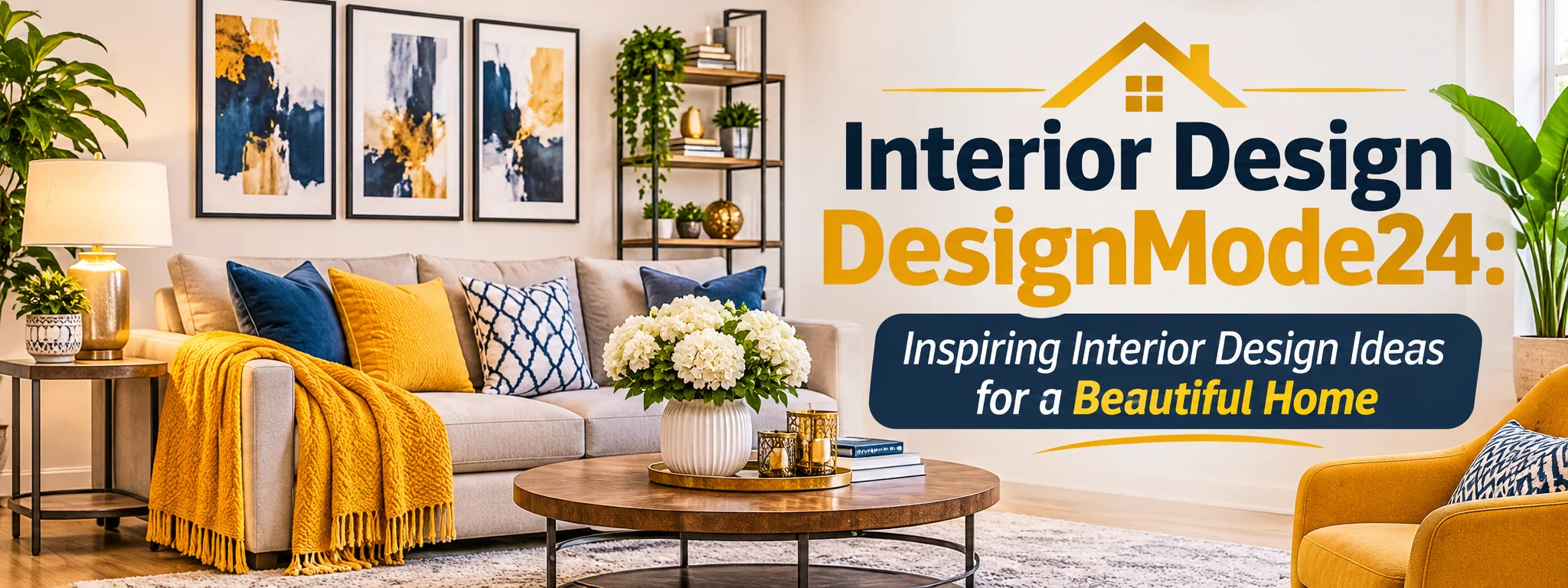
Creating a beautiful home starts with making thoughtful decisions about space, furniture, colors, and decoration. Interior design DesignMode24 is a search topic for people interested in discovering new decorating approaches and finding practical inspiration for their homes. Whether you want to update a small bedroom, improve your kitchen, or redesign an entire property, the right ideas can help you create an environment that feels comfortable and visually appealing.
A successful interior should reflect the people who live in it. Some homeowners prefer simple surroundings with minimal decoration, while others enjoy colorful rooms, decorative furniture, and distinctive accessories. Beyond personal preferences, factors such as room dimensions, lighting, storage, and daily activities also influence design decisions.
Discovering the Design Inspiration Behind DesignMode24
Interior design involves much more than selecting attractive furniture or painting walls in fashionable colors. It requires understanding how different elements work together to create a functional living environment.
The DesignMode24 concept can be approached as a source of inspiration for exploring home decoration possibilities. Rather than reproducing an entire design from a photograph, homeowners can identify individual features that suit their own spaces.
For instance, a compact bedroom might need additional storage and lighter finishes, while a spacious living area could benefit from comfortable seating and carefully selected decorative pieces.
Creating Interiors That Feel Comfortable
Comfort should influence every major decorating decision. Furniture needs to support everyday activities, lighting should suit different situations, and rooms should provide enough space for convenient movement.
Before purchasing anything, consider the purpose of the room. A dining area needs suitable seating and an accessible table, while a family room may require flexible furniture and storage for everyday belongings.
Combining these practical requirements with attractive decoration helps create rooms that are enjoyable to use.
Finding a Design Style That Matches Your Home
Selecting a consistent interior theme can make a property feel more coordinated. You do not need to use identical furniture or decorations in every room. Instead, repeat a few colors, materials, or finishes to establish a connection between different spaces.
Some popular interior approaches include:
- Contemporary interiors with clean shapes and modern finishes.
- Scandinavian-inspired rooms featuring natural materials and light colors.
- Minimalist spaces with simple furniture and limited decoration.
- Industrial interiors combining metal, wood, and exposed textures.
- Traditional designs featuring classic furniture and decorative details.
Choose a direction that suits your lifestyle instead of making decisions based entirely on temporary decorating trends.
Creative Interior Design Ideas for Different Rooms
Every part of a home has a different function. Therefore, decorating decisions should consider how each space is used rather than applying the same arrangement everywhere.
1. Give Your Living Room a Fresh Appearance
The living room is often one of the most frequently used areas of a home. It may serve as a place for watching television, welcoming visitors, relaxing, or spending time with family.
Start by deciding how the furniture should be arranged. A sofa and additional chairs should create a comfortable seating area without restricting access to doors or windows.
You can improve the room with a few simple additions:
- Select furniture that matches the available floor space.
- Introduce decorative cushions to add color and comfort.
- Place an appropriately sized rug beneath the seating arrangement.
- Combine ceiling lights with table or floor lamps.
- Use shelves or storage cabinets to organize everyday items.
A carefully planned layout can make a living room feel attractive without overcrowding it.
2. Create a Calm and Organized Bedroom
Bedroom decoration should focus on comfort, simplicity, and convenient storage. A balanced combination of bedding, furniture, wall colors, and lighting can create a relaxing personal space.
Soft beige, warm white, pale gray, and muted green are useful choices for creating a gentle atmosphere. People who enjoy stronger colors can introduce them through decorative artwork, bedding, or selected wall sections.
Storage is equally important. Wardrobes, bedside drawers, and under-bed organizers can help keep personal belongings arranged neatly.
Consider using bedside lighting for reading and other evening activities. This provides a more flexible arrangement than depending entirely on one bright ceiling fixture.
3. Make the Kitchen Practical and Attractive
Kitchen design should prioritize organization, durability, and convenient movement. The placement of cooking appliances, preparation surfaces, sinks, and storage cabinets can influence how comfortably the room functions.
Choose cabinet finishes that complement the available space. Light shades can create an open appearance, while wooden surfaces introduce warmth and natural character.
Other elements, including backsplash designs, countertop finishes, and cabinet handles, can provide additional visual interest.
Before investing in decorative upgrades, consider practical requirements such as ventilation, suitable lighting, durable surfaces, and safe appliance positioning.
4. Refresh Your Bathroom With Simple Design Choices
A bathroom can feel more spacious and organized when its available area is used carefully.
Consider wall-mounted shelves, compact cabinets, large mirrors, and appropriately sized fixtures. These features can improve storage without taking up unnecessary floor space.
Color selection also influences the overall appearance. Cream, soft gray, pale blue, and natural stone-inspired finishes can create a clean and balanced environment.
Always select materials designed for humid conditions and ensure that the room has adequate ventilation.
5. Develop a Comfortable Home Office
A home office should provide an organized setting for studying, working, and completing everyday tasks.
Begin with a suitable desk and supportive chair. Position the workspace where natural light is available without causing excessive screen glare.
Keep frequently used items within easy reach and organize electrical cables to maintain a tidy appearance.
A small plant, framed artwork, or attractive desk lamp can personalize the room without taking attention away from its main purpose.
Choosing Colors and Materials for a Balanced Interior
Colors and materials influence the atmosphere of a room. Some combinations create warmth, while others make an interior feel brighter, more contemporary, or more understated.
Build a Coordinated Color Scheme
A useful decorating method is to select a dominant shade, a secondary color, and one or two accent tones.
For example, cream walls combined with wooden furniture and olive-green accessories can produce a natural appearance. Alternatively, light gray surfaces with darker furniture and metallic details may suit a contemporary interior.
Always examine paint samples before making a final decision. Natural light, artificial lighting, and surrounding furniture can change how a particular color appears.
Introduce Different Textures
Texture helps prevent a room from looking flat or unfinished. Materials such as cotton, linen, wood, glass, ceramic, and woven fabrics can create interesting visual combinations.
You might combine a wooden coffee table with soft upholstery, textured curtains, and a patterned rug.
However, using too many competing materials can make the room appear disorganized. Repeating a few finishes throughout the space usually creates a more coordinated result.
Popular Interior Design Styles Compared
| Interior Style | Main Features | Where It Works Well |
|---|---|---|
| Contemporary | Modern shapes and simple finishes | Modern homes and apartments |
| Scandinavian | Light shades and natural materials | Bedrooms and living areas |
| Minimalist | Limited decoration and practical furniture | Small rooms and offices |
| Industrial | Metal, exposed surfaces, and darker tones | Urban-style interiors |
| Traditional | Classic furniture and detailed finishes | Formal living spaces |
| Organic | Natural textures and earthy colors | Bedrooms and relaxing areas |
Different approaches can also be combined to create a more personal appearance.
Furniture Selection and Better Space Management
Furniture affects how a room looks and how comfortably people can use it. Choosing pieces that match the available dimensions is essential for creating a balanced layout.
Measure Before Purchasing Furniture
Measure the room before buying large furniture items. Record the available floor area and consider the position of windows, doors, and other permanent features.
Also check the dimensions of hallways, staircases, and entrances to make sure larger pieces can be moved into the property.
Avoid filling every available corner. Leaving some open space around furniture can improve movement and make the room feel less crowded.
Consider Furniture With Multiple Uses
Multifunctional furniture is particularly useful when working with limited space.
Examples include storage beds, folding desks, extendable dining tables, nesting tables, and storage ottomans.
Wall-mounted shelves can provide additional organization without taking up floor space. Before purchasing these products, compare their construction, dimensions, storage capacity, and everyday practicality.
Affordable Interior Improvements That Make a Difference
Redesigning a home does not always require expensive furniture or extensive construction work. Smaller decorating projects can also produce noticeable improvements.
Here are five practical ideas:
- Change the furniture arrangement: Try a different layout before purchasing replacement furniture.
- Update wall colors: A fresh coat of paint can completely change the appearance of a room.
- Replace decorative fabrics: New curtains, rugs, and cushion covers can introduce a different style.
- Improve room lighting: Add suitable lamps and replace lighting that does not meet your needs.
- Organize visible spaces: Remove unnecessary items and arrange remaining decorations carefully.
Set a realistic spending limit before starting a project. Completing one room at a time can also make the process easier to manage.
Interior Decorating Problems You Should Avoid
Even a room filled with attractive furniture can look unbalanced when important design decisions are overlooked.
One common problem is purchasing furniture without checking its measurements. Oversized sofas, beds, and cabinets can restrict movement and make smaller rooms uncomfortable.
Another mistake is relying entirely on ceiling lighting. Different activities require different levels of illumination, so combining general lighting with task and accent lights can create a more adaptable environment.
Ignoring storage requirements is another issue. Without suitable places for everyday belongings, clutter can quickly reduce the appearance of an otherwise well-designed room.
Other problems include selecting paint without testing samples, combining too many unrelated styles, blocking natural light, and spending too much on temporary trends.
Planning the functional layout before choosing decorations can help prevent these issues.
A Simple Process for Planning Your Home Design
A structured approach makes decorating decisions easier and helps avoid unnecessary expenses.
Step 1: Decide What Needs Improvement
Identify the main purpose of your project. You may want more storage, better lighting, additional seating, or a completely different appearance.
Step 2: Record Room Measurements
Measure walls, windows, doors, and available floor space. These details will help you select suitable furniture and determine where different items should go.
Step 3: Establish Your Spending Limit
Prepare a list of necessary purchases and optional improvements. Keep some money available for unexpected expenses, especially when renovation work is involved.
Step 4: Choose Suitable Colors and Finishes
Select a color scheme that works with your existing furniture and the room’s lighting conditions. Compare material samples before purchasing expensive products.
Step 5: Prepare a Furniture Layout
Create a basic floor plan to test different arrangements. Make sure furniture does not block entrances, windows, or important walking paths.
Step 6: Add Decorations Gradually
Once the main layout is complete, introduce curtains, rugs, plants, artwork, and other accessories. Adding these details gradually makes it easier to maintain a consistent appearance.
This planning process turns interior design DesignMode24 into a practical starting point for developing ideas that suit your own home.
Frequently Asked Questions
1. What is Interior Design DesignMode24?
Interior design DesignMode24 is a search phrase related to home decoration inspiration, creative room arrangements, and modern interior styling. The specific identity and features of any website associated with the name should be checked separately.
2. How can I decorate my home without spending too much?
Rearranging furniture, repainting walls, updating curtains, organizing storage, and changing decorative accessories are affordable ways to refresh a living space.
3. Which interior style works well in smaller rooms?
Minimalist and Scandinavian-inspired designs can be useful options because they emphasize practical furniture, uncluttered arrangements, and simple color schemes.
4. How should I select colors for my interior?
Consider the room’s lighting, furniture, size, and intended atmosphere. Test paint samples before applying a color across an entire wall.
5. When is professional interior design assistance necessary?
Professional assistance can be valuable for major renovations, complex layouts, custom furniture, and projects involving electrical, structural, or technical changes.
Final Thoughts
Interior design DesignMode24 offers a starting point for exploring creative ways to improve the appearance and functionality of a home. A successful interior does not depend on expensive decorations or following every popular trend. It comes from understanding the available space, choosing appropriate furniture, and creating an environment that supports everyday activities.
Begin with the most important requirements of each room. Think about lighting, storage, colors, materials, and furniture placement before making major purchases. Small improvements can also create meaningful results when they are selected carefully.
Most importantly, allow your home to reflect your personal preferences. By combining practical planning with thoughtful decoration, you can develop an interior that feels comfortable, attractive, organized, and suitable for your lifestyle.
1 thought on “Interior Design DesignMode24: Inspiring Interior Design Ideas for a Beautiful Home”