
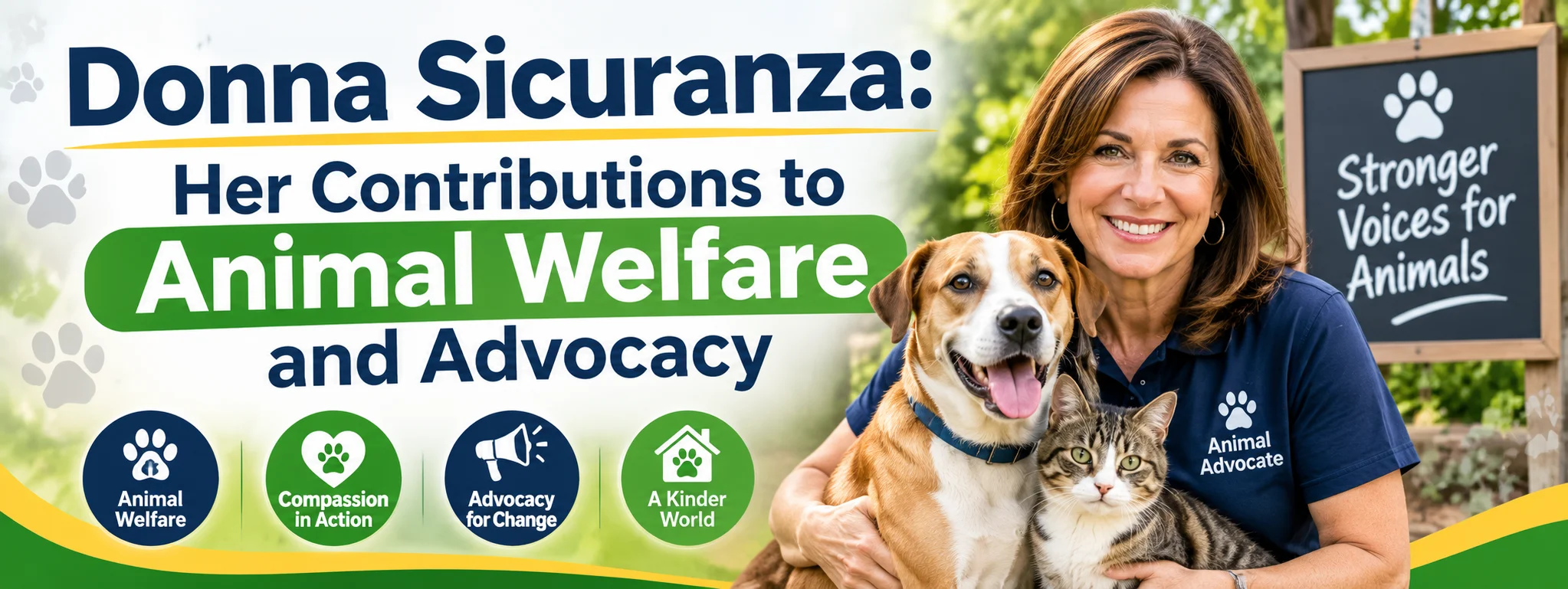
Animal welfare is an important part of building healthier and more compassionate communities. Across the United States, nonprofit organizations, veterinary professionals, and animal advocates work together to protect animals, improve access to veterinary care, and promote responsible pet ownership. Among the people associated with these efforts is Donna Sicuranza, a nonprofit leader known for her connection with Tait’s Every Animal Matters (TEAM), an animal welfare organization based in Connecticut.
Donna Sicuranza is particularly associated with initiatives that support feline health, including affordable spay and neuter services and preventive veterinary care. Her work highlights how nonprofit leadership and community-based programs can help address challenges such as cat overpopulation and limited access to animal healthcare.
Who Is Donna Sicuranza?
Donna Sicuranza is a nonprofit executive associated with Tait’s Every Animal Matters, commonly known as TEAM. The organization focuses on animal welfare in Connecticut, with particular attention to feline healthcare and population management.
Her public professional identity is mainly connected to administrative leadership and the development of programs that make essential veterinary services more accessible. Through her association with TEAM, she has been involved in efforts to support cat owners, rescue organizations, animal caretakers, and communities.
Donna Sicuranza’s work demonstrates that animal advocacy involves more than direct interaction with animals. It also requires organizing services, coordinating veterinary professionals, managing resources, and building relationships with local communities.
Her Role in Animal Welfare
Sicuranza is publicly identified with TEAM’s leadership. Her responsibilities are associated with supporting the organization’s mission, overseeing administrative operations, and helping maintain programs that serve cats across Connecticut.
Her work is important because animal welfare organizations need effective management to deliver consistent services. Veterinary professionals provide medical treatment, while nonprofit administrators help organize the resources and systems that make those services possible.
This combination of leadership and practical community support is an important part of her professional contribution.
Understanding Tait’s Every Animal Matters (TEAM)
The organization most closely associated with Donna Sicuranza’s public work.
Tait’s Every Animal Matters, also known as TEAM, is a Connecticut-based animal welfare organization connected to feline healthcare and population control initiatives.
Its best-known program is a mobile feline spay and neuter clinic. Instead of requiring every animal caretaker to travel to a traditional veterinary facility, a mobile clinic can bring services closer to different communities.
This approach is especially valuable for people who face transportation difficulties, financial limitations, or other barriers to accessing veterinary care.
TEAM’s work reflects an important principle: improving animal welfare requires making basic healthcare services available to more people.
The Organization’s Main Purpose
TEAM focuses on practical services that support animal health and responsible care. Its activities are particularly relevant to cats because uncontrolled reproduction can contribute to growing populations of stray and homeless animals.
The organization’s approach connects veterinary services with community needs. By making preventive care more accessible, it helps address problems before they become more difficult for animal caretakers and local communities to manage.
According to published organizational information, TEAM’s mobile clinic began operating in 1997.
Donna Sicuranza’s Contributions to Animal Welfare
Donna Sicuranza’s contribution to animal welfare is closely connected to making essential veterinary services more affordable and accessible. Her work with TEAM helped establish a practical approach to feline healthcare that reaches communities rather than depending entirely on traditional veterinary facilities.
Several important areas define her professional involvement.
1. Promoting Affordable Veterinary Services
One of the biggest challenges in animal welfare is the cost of veterinary treatment. Some families and independent animal caretakers struggle to afford routine procedures, vaccinations, and preventive healthcare.
TEAM addresses this challenge by offering affordable feline veterinary services through its mobile clinic. This approach helps people obtain essential care without facing the full financial burden of conventional veterinary services.
Sicuranza’s leadership has been associated with maintaining this service and supporting its long-term operation.
Affordable veterinary care is important because it encourages responsible pet ownership. When basic services become easier to access, more people can take appropriate steps to protect their animals.
2. Helping Reduce Cat Overpopulation
Cat overpopulation is a significant animal welfare concern in many communities. When cats reproduce without adequate population management, shelters and rescue organizations can face increasing pressure.
Unwanted litters may also contribute to abandonment, homelessness, and competition for food and shelter.
Spaying and neutering are widely recognized methods of preventing unwanted reproduction. TEAM made these procedures central to its mission by providing services to domestic and feral cats.
The organization explains that its mobile clinic was developed to help prevent unwanted kittens and improve feline health.
3. Supporting Community-Based Animal Care
Another important aspect of Sicuranza’s work is the community-based approach to veterinary services.
Mobile clinics can reach residents in different towns, reducing some of the transportation challenges associated with accessing animal healthcare. This is particularly helpful for people caring for stray or feral cats.
TEAM’s clinic has traveled throughout Connecticut, making its services available to residents in multiple communities.
This model demonstrates that successful animal welfare programs should consider the needs of both animals and the people responsible for their care.
4. Encouraging Responsible Pet Ownership
Responsible pet ownership includes providing appropriate food, shelter, veterinary attention, vaccinations, and preventive healthcare.
Sicuranza’s association with TEAM supports these principles by helping make essential feline services more accessible.
The organization also provides information about its services so that cat caretakers can understand available treatment options and make informed decisions.
Responsible pet ownership is not limited to household pets. People who care for community cats also have an important role in supporting healthier animal populations.
The TEAM Mobile Feline Spay and Neuter Clinic
The TEAM Mobile Feline Spay/Neuter Clinic is one of the most recognizable initiatives associated with Donna Sicuranza.
The project was developed in 1996 under the direction of veterinarian Dr. John A. Caltabiano and TEAM Executive Director Donna Sicuranza. The clinic officially began operating on March 1, 1997.
On its first day, the mobile clinic treated ten cats. The initiative quickly became an important part of Connecticut’s animal welfare community.
How the Mobile Clinic Works
The mobile clinic operates as a veterinary facility that travels to different Connecticut communities.
Its purpose is to provide essential feline healthcare services in a more accessible setting. Instead of requiring every caretaker to arrange transportation to a separate veterinary facility, the mobile unit brings selected services closer to local residents.
Its services include:
-
Spaying and neutering for cats.
-
Basic veterinary examinations.
-
Rabies vaccinations.
-
Distemper vaccinations.
-
Vaccinations for respiratory infections.
-
Nail trimming.
-
Ear mite treatment when needed.
-
Certain parasite prevention and treatment services.
The specific services available depend on the organization’s current veterinary program.
Why Mobile Veterinary Services Matter
Mobile veterinary services can make a meaningful difference in communities where transportation, affordability, or limited veterinary availability creates difficulties.
They also provide an organized way to serve multiple towns through scheduled visits.
For animal welfare organizations, this model offers an opportunity to reach more caretakers while concentrating on specific preventive services.
The TEAM clinic demonstrates how a mobile approach can become a long-term community resource when supported by veterinary professionals, administrative leadership, donations, and public participation.
Donna Sicuranza and Dr. John A. Caltabiano
The development of TEAM’s mobile feline clinic is closely connected to the work of Donna Sicuranza and veterinarian Dr. John A. Caltabiano.
Caltabiano was an experienced veterinarian who supported animal healthcare and population management. He played an important role in establishing the mobile clinic, while Sicuranza contributed through her organizational and executive leadership.
Their partnership helped turn the idea of a mobile feline veterinary service into an operating program.
Building a Shared Animal Welfare Mission
The original goal was straightforward: make spaying, neutering, and vaccinations more affordable for Connecticut cat caretakers.
However, turning that idea into a sustainable program required planning, funding, veterinary expertise, staff coordination, and community awareness.
Their combined efforts helped establish a service that could travel to different towns and provide care to domestic and feral cats.
This collaboration illustrates the importance of combining medical knowledge with nonprofit administration. Veterinary professionals understand the medical requirements, while organizational leaders help coordinate the people and resources needed to deliver services.
Continuing the Mission After 2009
Dr. John A. Caltabiano passed away in November 2009. Connecticut Department of Agriculture material published in 2010 recognized his contribution to animal welfare and stated that Donna Sicuranza would continue his work at TEAM and its related initiatives.
This period represents an important part of Sicuranza’s professional story because it highlights the importance of maintaining an established nonprofit program beyond the involvement of its original medical leader.
The Impact of TEAM on Connecticut’s Cat Population
TEAM’s work provides a useful example of how consistent preventive veterinary services can contribute to animal welfare over time.
According to its official website, the organization has helped sterilize and vaccinate more than 225,000 cats since its mobile clinic began operating in 1997.
TEAM’s reported achievements
225,000+
Cats sterilized and vaccinated
1997
Mobile clinic launch year
1996
Planning began
Connecticut
Primary service area
Figures reported by Tait’s Every Animal Matters.
Reducing Unwanted Litters
Preventing unwanted reproduction is one of the most important goals of feline population management.
When cats are spayed or neutered, they cannot produce additional litters. This helps reduce the number of unwanted kittens entering communities and potentially needing rescue or shelter placement.
TEAM’s long-running program focuses on this preventive approach rather than responding only after animals become homeless.
Supporting Feral and Community Cats
Feral cats often live outdoors and may depend on local residents or volunteer caretakers for food and basic protection.
Providing veterinary services for these animals can be challenging because they do not always have individual owners.
TEAM welcomes both domestic and feral cats through its mobile clinic program. This makes its services relevant to people involved in community cat care and rescue activities.
Helping Animal Rescue Organizations
Animal rescue groups frequently work with limited resources. They may care for abandoned animals, arrange veterinary appointments, and find suitable homes for cats and kittens.
Affordable preventive services can help these organizations manage their responsibilities more effectively.
Although a mobile clinic cannot replace every type of veterinary treatment, it can provide important services that support wider rescue and animal protection efforts.
Donna Sicuranza’s Leadership and Nonprofit Management
Animal welfare organizations need more than good intentions to achieve lasting results. They require reliable administration, financial planning, staff coordination, and public support.
Donna Sicuranza’s professional contribution is particularly connected to these organizational responsibilities.
Managing Long-Term Programs
A mobile veterinary program requires regular planning. Its operations depend on vehicle maintenance, scheduling, veterinary personnel, medical supplies, and communication with local communities.
Nonprofit leadership helps coordinate these activities so that services can continue.
The longevity of TEAM’s mobile clinic demonstrates the value of maintaining an organized structure around a specific animal welfare mission.
Building Public Awareness
Public awareness is essential for animal welfare programs.
Residents need to understand why preventive veterinary care matters, how mobile services operate, and where they can obtain information about appointments.
TEAM’s newsletters and public information help communicate its mission and explain how supporters can contribute.
Supporting Financial Sustainability
Nonprofit organizations often depend on donations, grants, and service-related income to maintain their operations.
TEAM explains that its work relies on public support and charitable contributions. Donations help the organization continue providing services and supporting its mobile clinic.
Sicuranza’s leadership is connected to the ongoing administrative work required to support this type of nonprofit service.
Challenges in Animal Welfare Advocacy
Animal welfare work can be rewarding, but maintaining long-term programs also involves several challenges. Donna Sicuranza’s association with TEAM provides an opportunity to understand some of the practical difficulties faced by nonprofit organizations.
Financial Limitations
Veterinary equipment, medical supplies, transportation, and professional staff require ongoing financial support.
Nonprofit organizations must balance service costs with the needs of people who cannot afford expensive veterinary procedures.
Donations and community contributions therefore play an important role in keeping affordable programs available.
Reaching Different Communities
Not every community has the same access to veterinary facilities. Rural areas and smaller towns may have fewer convenient options for animal healthcare.
Mobile clinics help address some of these barriers by traveling to different locations. However, scheduling, transportation, and available veterinary staff can still limit how many animals receive treatment.
Increasing Public Awareness
Some animal caretakers may not understand the importance of vaccinations, sterilization, and routine veterinary examinations.
Educational information can help people make better decisions about animal care.
Organizations such as TEAM demonstrate why public communication should remain an important part of animal welfare advocacy.
How People Can Support Animal Welfare Initiatives
The work associated with Donna Sicuranza also highlights how ordinary people can contribute to animal protection.
Animal welfare does not depend entirely on nonprofit executives or veterinary professionals. Individuals, families, volunteers, and local businesses can all make meaningful contributions.
Here are five practical ways to support animal welfare:
-
Support responsible pet ownership: Provide animals with suitable food, shelter, attention, and veterinary care.
-
Encourage preventive healthcare: Learn about vaccinations and veterinarian-recommended spaying and neutering.
-
Help local animal organizations: Support reputable rescue groups through donations or volunteering.
-
Share reliable information: Educate others about responsible animal care and available veterinary services.
-
Treat community animals humanely: Support appropriate community-based programs that protect stray and feral animals.
These actions help create communities where animals receive better care and protection.
Donna Sicuranza’s Public Profile and Personal Information
People researching Donna Sicuranza may also be interested in her education, family background, personal life, and professional history.
However, publicly available information about her personal life is limited. Her professional association with Tait’s Every Animal Matters is much better documented than many personal details appearing on biography websites.
It is important to distinguish confirmed professional information from unsupported online claims.
Similarly, Donna Sicuranza should not be confused with another individual named Donna Marie Sicuranza, whose obituary and banking career relate to a different person in New York.
Her public professional identity is best understood through her animal welfare involvement and nonprofit leadership rather than unverified personal information.
Why Donna Sicuranza’s Work Matters Today
Animal welfare remains an important community responsibility. Animal overpopulation, abandoned pets, limited veterinary access, and insufficient public awareness continue to create challenges for animal protection organizations.
The work associated with Donna Sicuranza offers an example of how a focused nonprofit program can address a specific problem over many years.
TEAM’s mobile clinic demonstrates the value of preventive veterinary services and community outreach. Its reported achievement of more than 225,000 cats sterilized and vaccinated illustrates the scale that a consistent program can reach.
Her professional story also highlights the importance of cooperation between nonprofit administrators, veterinarians, volunteers, donors, and animal caretakers.
The broader lesson is that lasting animal welfare improvements often come from practical services that continue serving communities year after year.
Frequently Asked Questions
1. Who Is Donna Sicuranza?
Donna Sicuranza is a nonprofit executive and animal welfare advocate associated with Tait’s Every Animal Matters (TEAM) in Connecticut. She is known for her leadership involvement in programs supporting feline healthcare and population management.
2. What Is Donna Sicuranza Known For?
She is primarily known for her association with TEAM and its mobile feline spay and neuter clinic. Her work has focused on supporting affordable veterinary services and improving access to preventive healthcare for cats.
3. What Is Tait’s Every Animal Matters?
Tait’s Every Animal Matters, commonly called TEAM, is a Connecticut nonprofit organization focused on animal welfare. Its best-known initiative is a mobile veterinary clinic providing spaying, neutering, and vaccination services for domestic and feral cats.
4. When Did the TEAM Mobile Feline Clinic Start?
The clinic began operating on March 1, 1997. Planning started in 1996 under the direction of veterinarian Dr. John A. Caltabiano and TEAM Executive Director Donna Sicuranza.
5. How Many Cats Has TEAM Helped?
According to TEAM’s official website, its mobile clinic has helped sterilize and vaccinate more than 225,000 cats since 1997. The program continues to support feline healthcare throughout Connecticut.
Final Thoughts
Donna Sicuranza’s contributions to animal welfare demonstrate the importance of consistent nonprofit leadership, accessible veterinary services, and community involvement. Through her association with Tait’s Every Animal Matters, she has helped support a program dedicated to improving feline health and addressing cat overpopulation in Connecticut.
The TEAM Mobile Feline Spay/Neuter Clinic represents a practical approach to animal protection. By bringing affordable veterinary services to different communities, the organization has helped thousands of animal caretakers access essential care for their cats.
Her professional story also highlights an important lesson: meaningful animal welfare work requires cooperation, planning, financial support, and long-term commitment. Although individual contributions may happen behind the scenes, their effects can reach entire communities.