
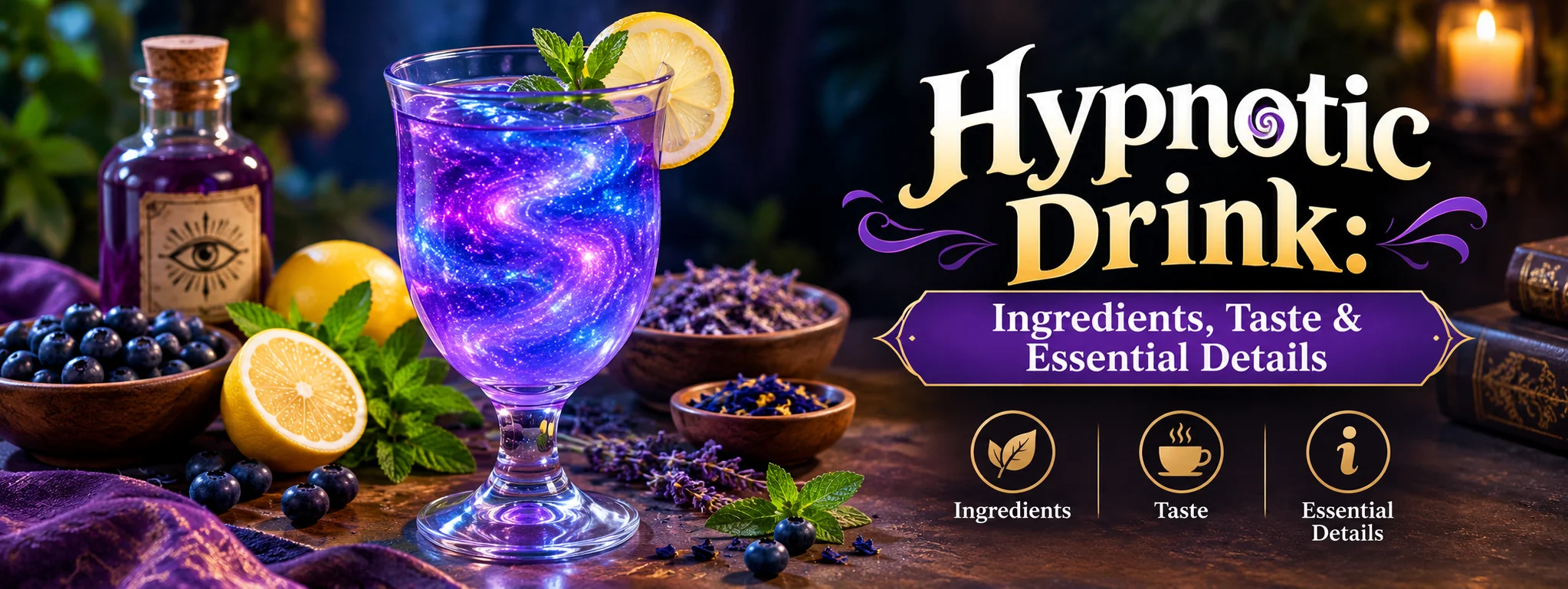
The hypnotic drink is widely associated with a bright blue color, tropical fruit notes, and the distinctive liqueur known as Hpnotiq. Its unusual appearance and sweet flavor have made it a recognizable name in discussions about colorful cocktails and creative beverages. People searching for the hypnotic drink often want to understand its ingredients, taste, different varieties, and alcohol content.
The name can refer to several types of beverages, including cocktails prepared with Hpnotiq and alcohol-free drinks designed to achieve a similar tropical appearance. Although these versions may look alike, their ingredients and alcohol content can differ significantly. Understanding these differences provides a clearer picture of what the hypnotic drink is and why it attracts attention.
What Is a Hypnotic Drink?
A hypnotic drink generally refers to a colorful beverage made with Hpnotiq, a blue alcoholic liqueur recognized for its fruity flavor and distinctive turquoise appearance. It is often featured in cocktail recipes because its sweetness and color make it suitable for combining with various mixers.
Hpnotiq is traditionally described as a blend of tropical fruit flavors, vodka, and French cognac. This combination gives the liqueur its recognizable character, balancing fruity sweetness with the flavor of distilled spirits.
There is no single recipe for every hypnotic drink. Some versions feature the liqueur on its own over ice, while others combine it with lemonade, citrus juice, or additional spirits. The final taste depends on the ingredients and their proportions.
Alcohol-free alternatives are also available through homemade mocktail recipes. These versions may use blue syrup, fruit juice, lemonade, and sparkling water to create a similarly colorful presentation without alcoholic spirits.
The Origins and Popularity of Hpnotiq
Hpnotiq emerged in the United States during the early 2000s. Its vivid blue color helped distinguish it from conventional spirits and other liqueurs, while its fruit-forward flavor appealed to people interested in visually distinctive beverages.
The product became associated with cocktail culture, nightlife, celebrations, and creative drink presentations. Its unusual appearance encouraged bartenders to experiment with different combinations, introducing variations that ranged from sweet fruit-based beverages to cocktails with a more pronounced spirit flavor.
Over time, Hpnotiq became a familiar ingredient in blue cocktail recipes. Its versatility allows it to appear in different drink styles rather than being limited to one traditional preparation.
Today, the hypnotic drink remains recognizable for its combination of color, fruity character, and adaptability. Its appeal largely comes from the ability to create different presentations and flavor combinations using the same signature liqueur.
Hypnotic Drink Ingredients and Flavor Profile
The ingredients in a hypnotic drink determine its taste, sweetness, appearance, and overall strength. Although recipes vary, the original liqueur is the central ingredient in many versions.
Main Ingredients
A hypnotic-style cocktail may include the following components:
- Hpnotiq liqueur: Provides the characteristic blue color and fruity flavor.
- Vodka: Sometimes added to create a stronger alcoholic profile.
- Cognac: A French grape-based spirit associated with the traditional formulation of Hpnotiq.
- Citrus juice: Lemon or lime juice introduces acidity that contrasts with sweetness.
- Fruit juice: Pineapple and other fruit juices can contribute additional tropical notes.
- Sparkling mixers: Soda water or similar beverages can alter the texture and dilute the drink.
Not every preparation contains all these ingredients. Some recipes rely primarily on Hpnotiq and a simple mixer, while others combine several components for a different taste.
What Does a Hypnotic Drink Taste Like?
The hypnotic drink is generally described as sweet, fruity, and tropical. Depending on the recipe, its flavor may include citrus-like notes and a mild alcoholic finish.
The amount of sweetness depends on the liqueur and any additional mixers. Lemon or lime juice can create a more balanced flavor, while sparkling water can make the beverage taste lighter. Adding sweetened juice or syrup may produce a richer, sweeter result.
Although its fruit flavor can make the alcohol less noticeable, sweetness does not indicate how strong a drink is. The total alcohol content depends on the ingredients, their proportions, and the serving size.
Popular Hypnotic Drink Recipes and Variations
The hypnotic drink can refer to several cocktail styles and alcohol-free alternatives. Each version has a different flavor balance, appearance, and ingredient combination.
1. Classic Hpnotiq Drink
The classic version emphasizes the liqueur’s original flavor and bright color. It may be served chilled or over ice, allowing the fruity character to remain the main feature.
Some preparations include a nonalcoholic mixer to change the texture or sweetness. The exact composition depends on the recipe rather than a universal formula.
2. Hypnotic and Lemonade
A lemonade-based variation combines the fruity liqueur with a citrus-flavored mixer. The tartness of the lemonade contrasts with the sweetness of Hpnotiq, creating a bright, refreshing flavor profile.
This combination is often associated with warm-weather gatherings and colorful beverage menus. However, the finished drink may contain considerable sugar, depending on the lemonade used.
3. Blue Tropical Cocktail
Tropical versions combine Hpnotiq with fruit-based mixers such as pineapple juice. The additional fruit flavor complements the liqueur and can change the final drink’s color and sweetness.
The resulting appearance varies according to the ingredients. The tropical character generally comes from the combination of fruit flavors rather than from one fixed recipe.
4. Hypnotic Martini-Style Drink
Some cocktail variations combine Hpnotiq with vodka and present the beverage in a chilled cocktail glass. This style has a more noticeable spirit character than versions mixed with larger amounts of lemonade or soda water.
Because additional spirits increase the drink’s total alcohol content, the ingredients and serving size are important considerations.
5. Nonalcoholic Hypnotic-Inspired Drink
An alcohol-free alternative recreates the colorful appearance without using alcoholic spirits. Blue syrup, lemonade, fruit juice, and sparkling water are common choices for this style of mocktail.
The final beverage can offer a sweet, citrus-forward flavor and a vibrant blue appearance. Anyone who needs to avoid alcohol completely should check the labels of all ingredients to confirm that they are suitable.
Hypnotic Drink Comparison Table
The following table outlines common hypnotic drink variations, their typical ingredients, and their general flavor characteristics.
| Drink Style | Main Ingredients | Flavor Profile | Common Occasion |
|---|---|---|---|
| Classic Hpnotiq | Hpnotiq and ice | Sweet and fruity | Casual gatherings |
| Hpnotiq Lemonade | Hpnotiq and lemonade | Sweet with citrus notes | Summer occasions |
| Blue Tropical Cocktail | Hpnotiq and pineapple juice | Tropical and fruity | Celebrations |
| Martini-Style Cocktail | Hpnotiq and vodka | Fruity with a stronger spirit character | Cocktail menus |
| Blue Mocktail | Blue syrup, fruit juice, sparkling water | Sweet and refreshing | Alcohol-free events |
These descriptions are general examples rather than standardized recipes. Ingredients, proportions, and alcohol content differ according to the preparation.
Alcohol Content and Important Safety Information
The alcohol content of a hypnotic drink depends on whether it contains Hpnotiq alone or includes additional spirits. Hpnotiq is an alcoholic liqueur, so cocktails prepared with it should not be confused with nonalcoholic blue beverages.
The original Hpnotiq liqueur has commonly been listed at approximately 17% alcohol by volume (ABV). However, the product label should be checked for the exact alcohol percentage of a particular bottle.
Adding vodka or other alcoholic ingredients increases the total amount of alcohol in a cocktail. Mixing the liqueur with lemonade or fruit juice may reduce its concentration in the finished beverage, but it does not remove the alcohol already present.
Important points to consider include:
- Check the product label for the stated alcohol percentage.
- Remember that sweet flavors can make alcohol less noticeable.
- Understand that additional spirits increase the total alcohol content.
- Never drive or operate machinery after consuming alcohol.
- Check with a qualified healthcare professional about possible interactions between alcohol and medication.
People below the legal drinking age, those who are pregnant, individuals taking medications that may interact with alcohol, and anyone choosing to avoid alcohol should select a suitable alcohol-free alternative.
How to Serve a Hypnotic Drink
Presentation is one reason the hypnotic drink is frequently associated with colorful cocktail menus. Its vivid appearance can stand out without requiring complicated decorations.
Choose the Right Glass
Glassware can influence how a beverage looks when served. Short tumblers are commonly used for drinks over ice, while tall glasses suit juice-based combinations. A chilled cocktail glass can provide a more formal presentation.
However, the glass itself does not affect the drink’s alcohol content or ingredient composition.
Use Simple Garnishes
Citrus slices, lemon wedges, and pineapple pieces can complement the fruit flavors associated with hypnotic-style drinks. A simple garnish often creates a cleaner presentation than using several unrelated decorations.
For alcohol-free versions, fresh fruit and ice can provide an attractive appearance without the need for alcoholic ingredients.
Balance the Sweetness
Hpnotiq already has a fruity flavor, so adding too much sweetened juice or syrup can make a beverage overly sweet. Citrus ingredients introduce a contrasting flavor, while sparkling water can create a lighter texture.
The appropriate balance depends on the recipe and the intended flavor. Alcohol content should always be considered separately from sweetness.
Serve Responsibly
Alcoholic cocktails and mocktails should be clearly identified when multiple beverage options are available. This allows people to choose according to their preferences and restrictions.
Alcohol should never be served to anyone below the applicable legal drinking age. An alcohol-free alternative is a suitable choice for people who need or prefer to avoid alcoholic beverages.
Why Is the Hypnotic Drink So Popular?
Several characteristics help explain the continued interest in the hypnotic drink.
First, its bright blue appearance makes it visually distinctive. The color stands out in clear glassware and contributes to the beverage’s recognizable presentation.
Second, its sweet and fruity character differs from the bitter, smoky, or herbal flavors associated with some other alcoholic drinks. This gives it a distinct place among colorful cocktail options.
Third, Hpnotiq can be combined with different mixers, allowing a range of flavor profiles and presentations. Lemonade, fruit juices, and other ingredients can change the taste without requiring one universal recipe.
Finally, the drink’s visual appeal makes it recognizable on cocktail menus, at themed events, and in online beverage discussions.
Despite its popularity, the hypnotic drink is not suitable for everyone. Personal preferences, age restrictions, and health considerations should always guide beverage choices.
Frequently Asked Questions
1. What is a hypnotic drink made of?
A typical version features Hpnotiq, a blue liqueur associated with tropical fruit flavors, vodka, and French cognac. Additional ingredients depend on the particular recipe.
2. Is a hypnotic drink alcoholic?
A drink made with Hpnotiq or other alcoholic spirits contains alcohol. A blue mocktail can provide a similar appearance using nonalcoholic ingredients.
3. What does a hypnotic drink taste like?
It generally has a sweet, fruity, tropical flavor. Citrus mixers can add a tangy contrast, while other ingredients change the overall taste.
4. Why is the hypnotic drink blue?
Hpnotiq is recognized for its distinctive blue color. Alcohol-free alternatives can use blue syrup or suitable food coloring to create a similar appearance.
5. Can you make a hypnotic drink without alcohol?
Yes. Blue syrup, lemonade, fruit juice, and sparkling water can be combined to create a tropical-inspired mocktail. Check the ingredient labels if avoiding alcohol is essential.
Final Thoughts
The hypnotic drink is best known for its vibrant blue appearance, fruity flavor, and versatility across different beverage styles. Most commonly associated with Hpnotiq liqueur, it can be found in simple chilled servings, lemonade-based cocktails, tropical combinations, and martini-inspired variations.
Alcohol-free alternatives can provide a similar colorful presentation for people who do not consume alcohol. Understanding the differences between these beverages, along with their ingredients and alcohol content, helps readers make informed choices. Ultimately, the hypnotic drink’s defining features are its striking appearance, fruit-forward character, and adaptability to different beverage preferences.
1 thought on “Hypnotic Drink: Ingredients, Taste & Essential Details”